Issue One
-
It wasn’t the beer
published in
How could it be that despite decades of rigorous European unification, of open borders and largely adjusted standards of living, a virus was able to kill up to 40 times more people in one country than in another, only a few hundred kilometers away?
-
Eat the dust
published in
Søren Kierkegaard compared reading reviews of his books to « the long martyrdom of being trampled to death by geese. » What martyrdoms does today’s bookishness portend?
-
Beyond thalassophobia
published in
German vice-chancellor Robert Habeck has more than twenty books to his name. It is tempting to read his fiction for glimpses of Green political futures, and his literary criticism for similar clues. How experimental can a literary politician be?
-
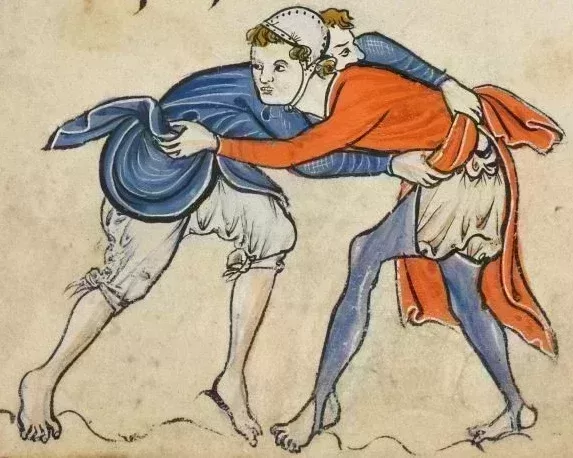
How to write; or, how to insult
published in
Shoulders were slapped, fingers pointed, hearts fired up. Perhaps a little scuffle broke out after class, a boisterous wrestling over insults exchanged. Nothing to be concerned about. Acquiring knowledge was, after all, a combative affair.
-
¿Quién hablará Européen? Un puzle
published in
La capital de Europa es, en ese sentido, un espejo cóncavo que devuelve un reflejo concentrado (y algo deforme) de la imagen que proyecta el continente.
-
Who will speak European? A puzzle
published in
Brussels is a concave mirror that returns a concentrated (and somewhat distorted) reflection of the projection of its continent.
-
On learning to write again
published in
Ramallah, downtown, fifth floor. The phone rings and the caller’s number appears on the screen. It’s an unknown number. And yet a call that comes at this hour must be answered.
-
تعلُّم الكتابة من جديد
published in
رام الله، وسط البلد، الطابق الخامس. يرن الهاتف ويظهر رقم المتّصل على الشاشة. إنه ليس لأحد معارفنا، فالرقم غير معروف. مع ذلك، يتطلّبُ اتصال هاتفي في ساعة مبكِّرةٍ كهذه الردَّ عليه.
-
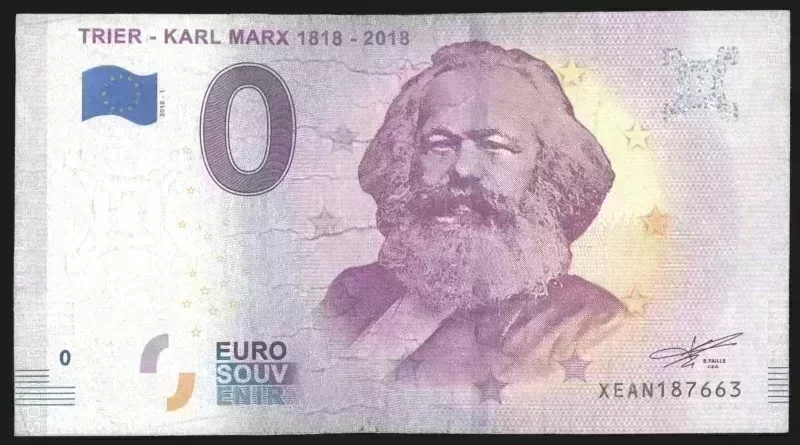
€ 0
published in
No one would have understood both the sentiment and the absurdity more keenly than Marx himself, whose face has adorned real currencies in more countries than anyone else’s, with the possible exception of Elizabeth II.
-
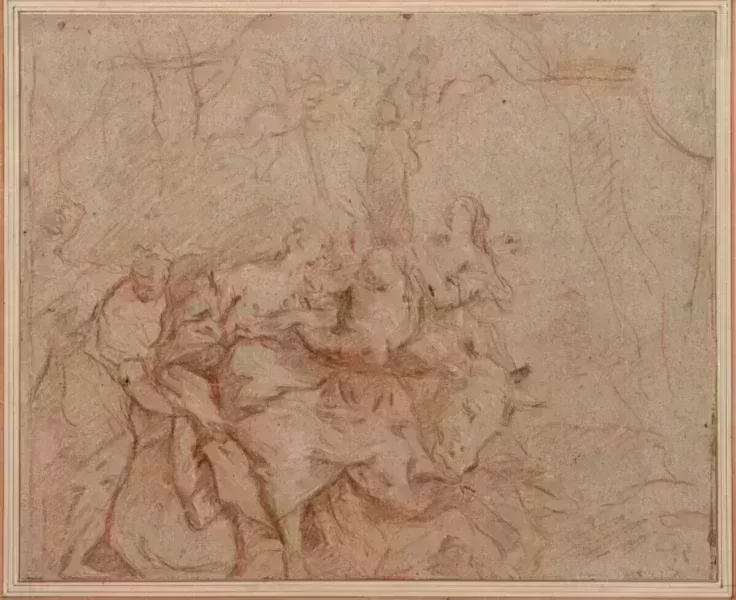
Cretan Europa’s second coming
published in
Citizen’s day in Fiesole, December 2021. In the EU, Christian Europe stands in quantum superposition, both here and not here. Can Cretan Europa help us imagine better futures?
-
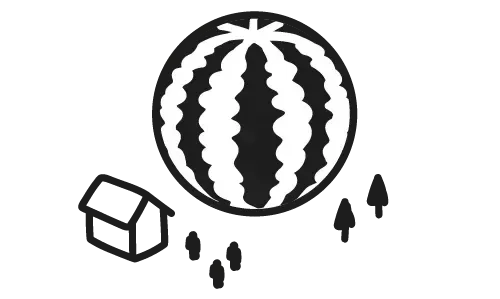
Женщина—это и есть пространство
published in
Пространство—это ключевое слово в понимании литературной и философической истории России. Оксана Васякина переделывает русское пространство—и русский роман—для женских миров.