Issue One
-
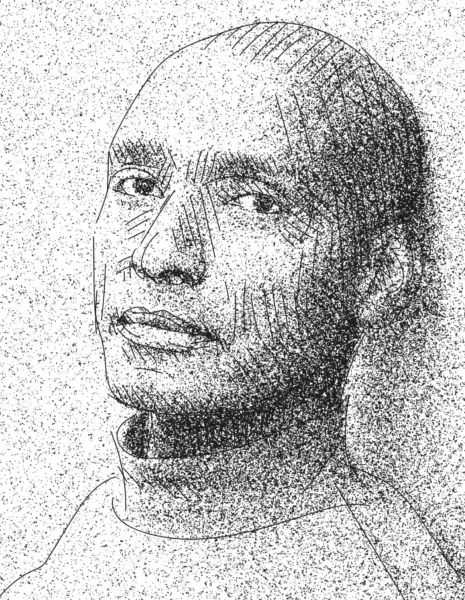
« When I was silent… » — Interview with Sulaiman Addonia
published in
Stop! I am doing what they all do: presenting writer Sulaiman Addonia as one-who-has-suffered, because he grew up as a refugee. It is a problem of genre. Suffering has become an interviewer’s crutch.
-

Animalische Anti-Städte
published in
« Eine schwarze Katze huscht über ein Blumenbeet in Richtung eines Holzverschlags, an einigen Astern vorbei drückt sie sich in eine armbreite Lücke. Einige Abgefeierte lümmeln auf Sofas; in Schweiß und Rauch in dieser spätsommerlichen Club-Landschaft. » Über Berliner Clubs und Calvinos Katzenflaneure.
-
Animal Anti-Cities
published in
« A black cat sneaks across a flower bed toward a shed, past some asters, and squeezes into a gap an arm’s width wide. Some worn-down club-goers lay wasted on sofas, sweat and smoke in a late-summer landscape. » On Berlin clubs and Calvino’s cat flâneurs.
-

Sugar Mouse
published in
A poem, plus a note on tongue-like mice and the translation of mice-like tongues.
-
Into the muck
published in
Time? For? Socialism? What happened when Thomas Piketty descended from the elegant mathematical Olympus of economic theory into the muck of political and economic crises, public debates, social confrontations, and competing visions of progress?
-
All is not vanity
published in
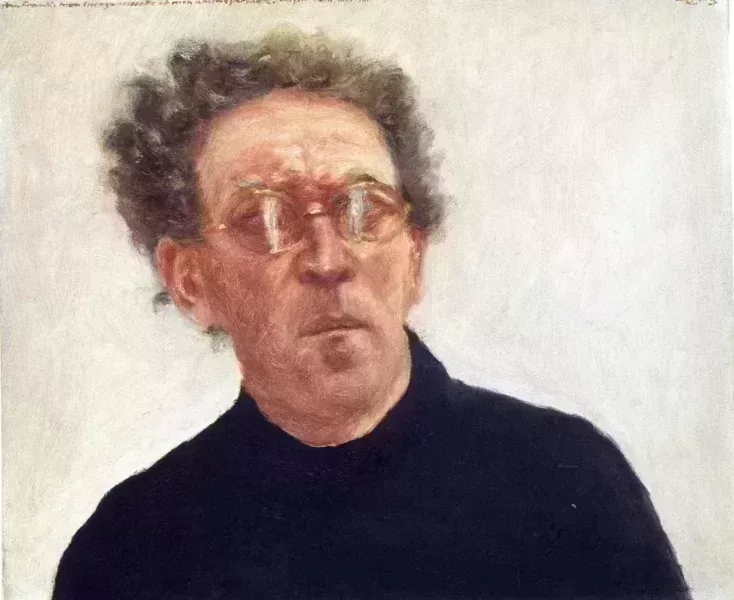
Lose, delete, restore. What to remember when everything is always, forever, in a digital now?
-
-

To see a city
published in
« What if all fictional characters from novels continue to dwell somewhere, just like the dead? » Sewn together, the fragmented narratives of Daniela Hodrová’s City of Torment (Trýznivé město) make something deeply European.
-
Optimieren Sie diese Überschrift für Google*
published in
Googles Dominanz erscheint heute unausweichlich. Googles mutwillige Störung des Verlagswesens ähnelt eher der Evolution als intelligentem Design. Journalisten, Verleger, Regulierungsbehörden und Wissenschaftler müssen mit ihrer neuen, chaotischen Gottheit zu Recht kommen.
-
Optimize this headline for Google*
published in
Google’s rise to dominance can seem inevitable, and its power over publishers monolithic. Yet Google’s wanton disruption of publishing resembles evolution more than intelligent design. Journalists, publishers, regulators, and scholars are left grappling with our new, random god.
-
What is a pillar?
published in
In 2010, OMA was invited to take part in a competition for the Damascus National Museum. It was part of a concerted effort toward a political « rapprochement » with Bashar al-Assad. Three months later, the entire effort was cancelled. Civil war was about to break out.